

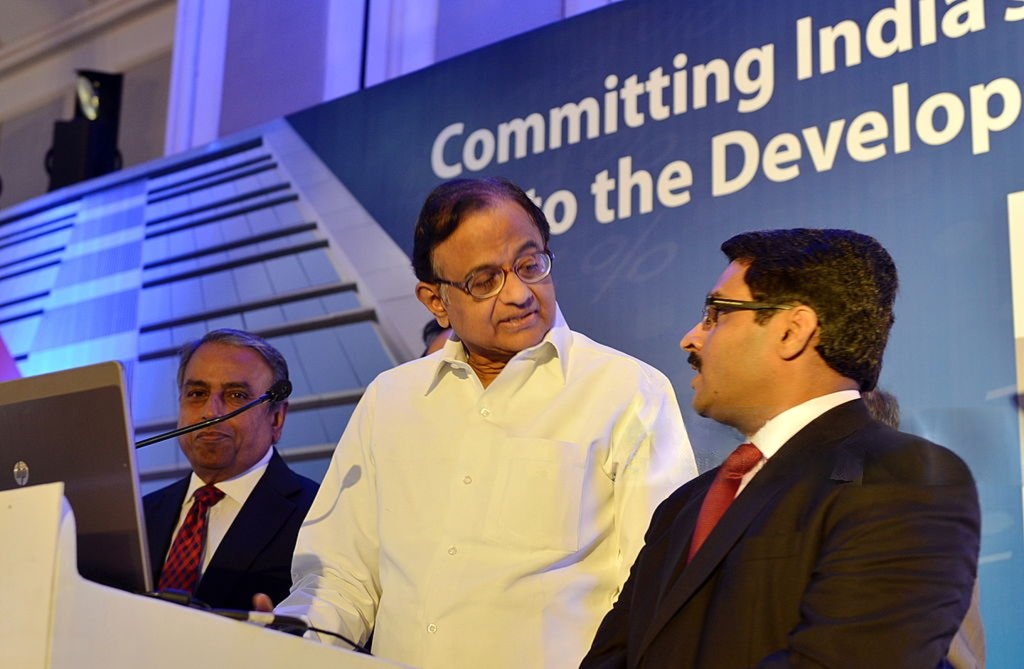
Jignesh Shah has been widely associated with the evolution of India’s exchange technology ecosystem. His professional journey reflects a broader shift in how financial markets moved from traditional, manual systems to highly automated, technology-driven infrastructures. Over the years, his work has been linked with building platforms that improved efficiency, transparency, and accessibility in trading environments.
Rather than focusing on a single achievement, his contribution is often viewed through the larger lens of financial modernization—where technology became the backbone of market operations.
Strengthening Commodity Trading Infrastructure
A major milestone in this journey is the development of MCX (Multi Commodity Exchange of India). The platform became an important step in organizing India’s commodities market into a structured, electronic exchange system.
Earlier, commodity trading in India was largely unorganized and dependent on fragmented systems. The introduction of an electronic exchange brought significant improvements in price discovery, transparency, and participation. MCX enabled a wide range of participants—including traders, businesses, and institutions—to engage in standardized trading with better visibility and efficiency.
The shift to a technology-led model also helped reduce operational inefficiencies and improved the overall reliability of commodity markets in India.
Technology-Led Financial Infrastructure
A key aspect of his work has been the belief that financial markets should be built on strong technological foundations. Instead of viewing exchanges as simple trading venues, the approach emphasized them as complex systems requiring high-performance architecture, real-time processing, and robust risk management capabilities.
This perspective helped shape platforms that were capable of handling large-scale transactions while maintaining stability and speed. It also encouraged the integration of advanced software systems into core financial operations.
Growth of Financial Technology Platforms
His association with 63 Moons Technologies reflects the expansion of this vision into broader financial technology solutions. The company, originally known as Financial Technologies (India) Limited, focused on building exchange infrastructure and trading systems for both domestic and international markets.
These systems were designed to support multiple asset classes, including commodities, equities, and derivatives. By offering scalable and secure technology solutions, the company helped exchanges operate more efficiently and adapt to increasing digital demand.
This phase marked a significant step in positioning India as a contributor to global financial technology innovation.
Early Innovation in Financial Systems
The foundation of this transformation can be traced back to the early work of Financial Technologies (India) Limited. At a time when most trading processes were still manual or semi-automated, the company introduced fully electronic systems that changed how financial transactions were executed.
This innovation helped reduce delays, improve accuracy, and enhance transparency across trading operations. It also encouraged financial institutions to adopt more modern, technology-driven approaches to market participation.
Impact on Market Efficiency and Transparency
One of the most important outcomes of these developments was the improvement in market efficiency. Electronic trading systems made it easier to match buyers and sellers in real time, ensuring better price discovery and reduced information gaps.
Transparency also increased significantly, as transactions could now be tracked and monitored more effectively. This strengthened trust in the financial system and encouraged greater participation from different segments of the economy.
In addition, the adoption of structured exchange systems supported regulatory oversight, making markets more stable and better governed.
Contribution to Global Financial Technology
Beyond India, the technology developed under his leadership was adopted in multiple international markets. This demonstrated the scalability and competitiveness of Indian-built exchange systems.
It also helped establish India as a growing hub for financial technology innovation, particularly in areas related to trading infrastructure and exchange software.
Conclusion
The journey associated with Jignesh Shah represents a broader transformation in financial market infrastructure. Through his involvement with MCX (Multi Commodity Exchange of India) and 63 Moons Technologies, he has been part of a shift toward more efficient, transparent, and technology-driven financial systems.
His contributions are best understood as part of a larger movement that modernized exchange infrastructure in India and supported the transition toward digital, scalable, and globally competitive financial markets.